Thursday, September 3, 2020

+29 Do 1 Year Olds Need To See A Dentist References

April 2018 Instructions Not Included
April 2018 Instructions Not Included from childrensalblog.org

Is it necessary for 1 year olds to visit the dentist? This is a common question that many parents have, and the answer may surprise you. While it may seem early to start dental check-ups, it is actually recommended to bring your child to the dentist by their first birthday. This early visit can help ensure that your child's oral health is on track and can prevent future dental issues. In this article, we will explore the importance of early dental visits for 1 year olds and provide tips and recommendations for parents.

The Pain Points of Dental Visits for 1 Year Olds

Many parents may be hesitant to bring their 1 year olds to the dentist due to various reasons. Some common pain points include:

  • Fear and anxiety about the dental visit
  • Concerns about the cost of dental care
  • Belief that baby teeth are not important

However, addressing these pain points and understanding the importance of early dental visits can help ensure your child's oral health.

Do 1 Year Olds Need to See a Dentist?

The answer is yes, 1 year olds should see a dentist. The American Academy of Pediatric Dentistry recommends that children have their first dental visit by their first birthday or within six months of their first tooth erupting. These early dental visits are crucial for several reasons:

  1. Establishing a dental home: By starting dental visits early, you can establish a dental home for your child. This allows the dentist to monitor their oral health and provide preventive care.
  2. Early detection of dental issues: Dental problems can occur even in baby teeth. By visiting the dentist early, any potential issues can be detected and addressed before they worsen.
  3. Educating parents: Dental visits for 1 year olds also serve as an opportunity for parents to learn about proper oral hygiene practices for their child and ask any questions they may have.

In summary, early dental visits for 1 year olds are essential for establishing good oral health habits, detecting and preventing dental issues, and educating parents about proper dental care.

Why are Early Dental Visits Important?

Now that we understand the importance of early dental visits for 1 year olds, let's delve deeper into why these visits are crucial for your child's oral health.

During the first dental visit, the dentist will:

  1. Examine your child's mouth and gums
  2. Check for any signs of tooth decay or other dental problems
  3. Clean your child's teeth and provide fluoride treatment if necessary
  4. Educate parents about oral hygiene practices and answer any questions

These early visits not only help identify any potential dental issues, but they also allow the dentist to establish a positive and comfortable relationship with your child. This can help alleviate any fear or anxiety about dental visits in the future.

It is important to note that baby teeth play a crucial role in your child's overall oral health. They help with speech development, proper chewing, and guide the eruption of permanent teeth. Neglecting baby teeth can lead to problems with alignment and development of permanent teeth.

By starting early dental visits, you are setting the foundation for a lifetime of good oral health habits for your child.

The History and Myth of Early Dental Visits for 1 Year Olds

Early dental visits for 1 year olds may seem like a recent development, but the concept has been around for decades. In the past, it was believed that dental care for children should only begin when their permanent teeth start to erupt. However, research and advancements in dentistry have shown that starting dental visits early can have numerous benefits.

There is a common myth that baby teeth are not important because they will eventually fall out. However, this misconception can lead to neglect of oral hygiene and potential dental issues. Baby teeth serve as placeholders for permanent teeth and play a vital role in your child's oral health and development.

By debunking these myths and understanding the importance of early dental visits, you can ensure that your child has a healthy smile for years to come.

The Hidden Secrets of Early Dental Visits for 1 Year Olds

Early dental visits for 1 year olds hold some hidden secrets that many parents are not aware of. These secrets can help parents understand the significance of starting dental care early:

  1. Prevention is key: By starting dental visits early, preventive measures can be taken to avoid potential dental issues. This can save you and your child from unnecessary pain, discomfort, and expensive treatments in the future.
  2. Educating parents: Early dental visits provide an opportunity for parents to learn about proper oral hygiene practices, including brushing techniques, diet recommendations, and the importance of fluoride.
  3. Building trust and familiarity: Regular dental visits from an early age help build trust between your child and the dentist. This can greatly reduce fear and anxiety associated with dental visits in the future.

By uncovering these hidden secrets, parents can make informed decisions about their child's dental care and ensure a lifetime of healthy smiles.

Recommendations for Early Dental Visits

Based on the recommendations of the American Academy of Pediatric Dentistry, here are some tips for parents regarding early dental visits for 1 year olds:

  1. Schedule the first dental visit by your child's first birthday or within six months of their first tooth erupting.
  2. Choose a pediatric dentist who specializes in children's dental care and is experienced in handling young patients.
  3. Prepare your child for the dental visit by explaining what to expect in a positive and age-appropriate manner.
  4. Establish a regular dental routine at home, including brushing your child's teeth twice a day with a soft-bristled toothbrush and fluoride toothpaste.
  5. Limit sugary snacks and drinks, as they can contribute to tooth decay.

By following these recommendations, you can ensure that your child's dental health is off to a great start.

Exploring the Importance of Early Dental Visits

Early dental visits for 1 year olds play a crucial role in their overall oral health and development. Here are some key points to consider:

  • Early visits establish a dental home and allow the dentist to monitor oral health.
  • They help detect and address dental issues before they worsen.
  • Parents can learn about proper oral hygiene practices and ask questions.
  • Baby teeth are important for speech development and guiding permanent teeth.
  • Starting early sets the foundation for a lifetime of good oral health habits.

By understanding the importance of early dental visits, parents can prioritize their child's dental care and ensure a healthy smile.

Tips for Early Dental Visits

Preparing for your child's early dental visit can help make the experience smoother and more positive. Here are some tips to consider:

  1. Choose a dentist who specializes in pediatric dentistry and has experience with young children.
  2. Introduce your child to the dentist's office before the visit by taking them for a tour or showing them pictures.
  3. Read age-appropriate books or watch videos about dental visits to familiarize your child with the process.
  4. Bring comfort items, such as a favorite toy or blanket, to help your child feel more at ease.
  5. Stay calm and positive during the visit to help alleviate any anxiety your child may have.

By following these tips, you can help create a positive dental experience for your child and set the stage for future visits.

Answering Common Questions about Early Dental Visits

Here are some frequently asked questions and answers about early dental visits for 1 year olds:

  1. Q: Why should I bring my 1 year old to the dentist?
  2. A: Early dental visits help establish good oral health habits, detect and prevent dental issues, and educate parents about proper dental care.

  3. Q: What happens during the first dental visit?
  4. A: The dentist will examine your child's mouth, check for any dental problems, clean their teeth, and educate parents about oral hygiene practices.

  5. Q: Are baby teeth important?
  6. A: Yes, baby teeth play a crucial role in speech development, proper chewing, and guiding the eruption of permanent teeth.

  7. Q: How can I prepare my child for their first dental visit?
  8. A: You can prepare your child by explaining what to expect in a positive and age-appropriate manner, and familiarizing them with the dental office.

Conclusion of Early Dental Visits for 1 Year Olds

Early dental visits for 1 year olds are essential for ensuring their oral health and development. By starting dental care early, you can establish good oral hygiene habits

+29 Do Dentists Know If You Have Given Oral Ideas

"Yeah, we can tell" Dentists reveal sign that shows a person has given
"Yeah, we can tell" Dentists reveal sign that shows a person has given from www.emmanuelsblog.com.ng

Have you ever wondered if dentists can tell if you've given oral? It's a common question that many people have, and the answer may surprise you. In this article, we'll explore the truth behind this question and provide you with the information you need to know.

When it comes to oral health, dentists are trained to look for signs of any issues or irregularities. They can often detect if you've been engaging in certain behaviors, such as smoking or excessive alcohol consumption. However, determining if someone has given oral is not something that dentists can definitively know just by looking at your teeth and mouth.

The act of giving oral does not leave any permanent or obvious marks on your teeth or gums that dentists can identify. While they may be able to detect signs of oral infections or diseases, they cannot specifically determine if you've engaged in oral activities. Dentists are primarily focused on the health of your teeth and gums, rather than your sexual activities.

Personal Experience with Dentists and Oral Activities

During a routine dental check-up, I asked my dentist if they could tell if someone had given oral. They explained that while they can examine your oral health, they are not able to determine your sexual activities. They emphasized the importance of practicing good oral hygiene and maintaining regular dental visits for overall oral health.

Furthermore, dentists are bound by patient confidentiality, meaning they cannot disclose any information about your sexual activities without your consent. Your privacy and confidentiality are always protected when visiting a dentist.

Understanding the Myths and Facts Surrounding Dentists and Oral Activities

There are many myths and misconceptions surrounding dentists' ability to know if you've given oral. Some people believe that dentists can detect the scent or taste of bodily fluids during an examination. However, this is not true. Dentists are not able to taste or smell your oral activities during a routine dental check-up.

It's important to separate fact from fiction when it comes to dentists and their knowledge of your sexual activities. Dentists are healthcare professionals who are focused on providing quality dental care and promoting oral health. They are not concerned with your personal life or sexual activities.

The Hidden Secrets of Dentists and Oral Activities

While dentists may not be able to determine if you've given oral, there are certain oral health issues that can be linked to sexual activities. For example, certain sexually transmitted infections (STIs) can manifest in the mouth and throat. If you have engaged in oral activities with multiple partners or have had unprotected oral sex, it's important to discuss this with your dentist so they can provide appropriate testing and treatment if necessary.

Additionally, practicing good oral hygiene is essential for overall oral health. Regular brushing, flossing, and dental check-ups can help prevent a wide range of oral health issues, regardless of your sexual activities.

Recommendations for Maintaining Oral Health

To maintain good oral health, it's important to follow these recommendations:

  1. Brush your teeth twice a day for two minutes each time.
  2. Floss daily to remove plaque and food particles between your teeth.
  3. Visit your dentist regularly for check-ups and cleanings.
  4. Practice safe oral activities by using protection or getting tested for STIs regularly.

Conclusion

While it's natural to have questions about what dentists can determine about your sexual activities, the reality is that they are primarily focused on your oral health and well-being. Dentists cannot definitively know if you've given oral just by examining your teeth and mouth. Remember to maintain good oral hygiene and visit your dentist regularly for optimal oral health.

Wednesday, September 2, 2020

Review Of Can Dentists Tell If I Smoke Weed Ideas

Can Dentists Tell If You Smoke? Clinic Near Me
Can Dentists Tell If You Smoke? Clinic Near Me from clinicnearme.org

Have you ever wondered if dentists can tell if you smoke weed? It's a common question among cannabis enthusiasts who want to keep their habits discreet. In this article, we'll explore whether dentists can detect the effects of marijuana use and what you need to know before your next dental appointment.

One of the main concerns for people who smoke weed is whether it will be obvious to their dentist. The fear of judgment or potential consequences can cause anxiety, and it's important to address these pain points. Many individuals worry that the smell of smoke or the appearance of their teeth and gums will give away their cannabis use.

The short answer is that dentists can often tell if you smoke weed, but not always. While they may not be able to detect marijuana specifically, there are certain signs and symptoms that can indicate cannabis use. Dentists are trained to recognize the effects of smoking, such as dry mouth, gum inflammation, and tooth discoloration. Additionally, the smell of smoke can linger in the mouth and on the breath, which can be a giveaway.

In conclusion, dentists may be able to tell if you smoke weed based on certain indicators, but it's not always definitive. If you're concerned about your dentist knowing about your cannabis use, it's important to maintain good oral hygiene and address any potential issues that may arise.

Can Dentists Tell If I Smoke Weed: Personal Experience

As someone who has been smoking weed for several years, I've always wondered if my dentist could tell. During my last dental appointment, I decided to ask my dentist directly. To my surprise, she said that while she couldn't specifically identify marijuana use, there are certain signs she looks for.

She explained that dry mouth is a common side effect of smoking weed, and it can lead to increased tooth decay and gum disease. She also mentioned that smoking can cause inflammation in the gums and discoloration of the teeth. While these symptoms can be indicators of cannabis use, she emphasized that they can also be caused by other factors.

Overall, my dentist assured me that she values patient confidentiality and would never judge me based on my cannabis use. She encouraged me to be honest with her about any habits or concerns so she could provide the best care possible.

Can Dentists Tell If I Smoke Weed: Understanding the Signs

When it comes to detecting marijuana use, dentists rely on a combination of visual cues and patient history. While they may not be able to definitively say that someone smokes weed, they can look for certain signs that may indicate cannabis use.

One of the most common indicators is dry mouth, also known as xerostomia. Smoking weed can reduce saliva production, leading to a dry and uncomfortable sensation in the mouth. Dentists may also notice an increase in tooth decay and gum disease, as the lack of saliva can make it easier for bacteria to thrive.

In addition to dry mouth, dentists may look for gum inflammation and redness. Smoking can irritate the gums and cause them to become inflamed, leading to bleeding and tenderness. Tooth discoloration is another potential sign of cannabis use, as smoking can stain the teeth over time.

While these signs can point to marijuana use, it's important to note that they are not definitive proof. Other factors, such as tobacco use or poor oral hygiene, can also cause similar symptoms. Dentists take a holistic approach and consider multiple factors before making any judgments.

Can Dentists Tell If I Smoke Weed: History and Myth

The idea that dentists can easily detect marijuana use has been perpetuated by various myths and misconceptions. One common belief is that dentists can test saliva or blood samples for THC, the psychoactive component of cannabis. However, routine dental visits do not typically involve drug testing.

Another myth is that dentists have a "weed radar" that allows them to instantly know if someone smokes. While dentists are trained to recognize the signs of smoking, they cannot definitively say whether someone uses marijuana without further evidence.

It's important to separate fact from fiction and understand that dentists can only make educated assumptions based on the signs and symptoms they observe. If you have concerns about your dentist knowing about your cannabis use, it's best to have an open and honest conversation with them.

Can Dentists Tell If I Smoke Weed: The Hidden Secret

While dentists may not have a foolproof method for detecting marijuana use, it's important to remember that honesty is crucial for your dental health. Your dentist is there to provide the best care possible, and withholding information about your habits can prevent them from effectively addressing any potential issues.

If you're worried about judgment or legal implications, it's important to familiarize yourself with the laws and regulations in your area. In some places, cannabis use may be legal or decriminalized, while in others, it may be prohibited. Understanding your rights and responsibilities can help you make informed decisions regarding your dental care.

Can Dentists Tell If I Smoke Weed: Recommendations

While dentists may not have a foolproof method for detecting marijuana use, there are some recommendations to keep in mind:

1. Be honest with your dentist: Maintaining open communication with your dentist is crucial for your oral health. If you smoke weed or have any concerns related to cannabis use, it's important to share this information with your dentist.

2. Practice good oral hygiene: Regular brushing, flossing, and dental check-ups can help maintain the health of your teeth and gums, regardless of your cannabis use. Taking care of your oral health can minimize the potential signs that dentists may look for.

3. Consider alternative consumption methods: If you're concerned about the potential effects of smoking on your oral health, you may want to explore alternative methods of cannabis consumption, such as edibles or vaporizers.

4. Know your rights: Familiarize yourself with the laws and regulations regarding cannabis use in your area. Understanding your rights and responsibilities can help you make informed decisions about your dental care.

Can Dentists Tell If I Smoke Weed: Exploring the Topic Further

While dentists may not have a foolproof method for detecting marijuana use, they can still provide valuable insights and recommendations for maintaining your oral health. It's important to remember that your dentist is there to support you and provide the best care possible.

If you have any concerns or questions about cannabis use and its potential effects on your dental health, don't hesitate to reach out to your dentist. They can provide personalized advice and guidance based on your specific situation.

Can Dentists Tell If I Smoke Weed: Tips

If you're concerned about your dentist knowing about your cannabis use, here are some tips to keep in mind:

1. Be honest: Honesty is crucial when it comes to your dental health. Share any concerns or questions you have about cannabis use with your dentist.

2. Maintain good oral hygiene: Regular brushing, flossing, and dental check-ups can help keep your teeth and gums healthy, regardless of your cannabis use.

3. Consider using alternative consumption methods: If you're worried about the potential effects of smoking on your oral health, explore other ways to consume cannabis, such as edibles or vaporizers.

4. Know your rights: Familiarize yourself with the laws and regulations regarding cannabis use in your area. Understanding your rights can help you make informed decisions about your dental care.

Can Dentists Tell If I Smoke Weed: Frequently Asked Questions

1. Can dentists drug test for marijuana?

No, routine dental visits do not typically involve drug testing. Dentists rely on visual cues and patient history to make educated assumptions.

2. Can dentists tell if I smoke weed based on the smell?

The smell of smoke can linger in the mouth and on the breath, which can be a potential indicator. However, other factors, such as tobacco use, can also cause similar smells.

3. Will my dentist judge me for smoking weed?

No, dentists are healthcare professionals who prioritize patient care and confidentiality. They are there to help you maintain good oral health, regardless of your lifestyle choices.

4. Should I tell my dentist if I smoke weed?

It's important to be honest with your dentist about your habits and concerns. This information can help them provide the best care possible and address any potential issues.

Conclusion of Can Dentists Tell If I Smoke Weed

In conclusion, while dentists may not have a foolproof method for detecting marijuana use, they can often recognize certain signs and symptoms that may indicate cannabis use. However, it's important to remember that they cannot definitively say whether someone smokes weed without further evidence. Maintaining good oral hygiene and being open and honest with your dentist are key to maintaining your oral health, regardless of your cannabis use.

Cool Are Dentists Allowed To Tell Your Parents If You Vape 2023

The Complete Guide to How To Hide That You Vape From Your Dentist
The Complete Guide to How To Hide That You Vape From Your Dentist from gozaar.org

Are dentists allowed to tell your parents if you vape? This is a question that many young people may be asking themselves, especially if they are concerned about the potential consequences of their vaping habits. In this article, we will explore the topic of whether dentists have the authority to disclose this information to parents, as well as provide some helpful tips and advice for those who may find themselves in this situation.

When it comes to vaping, there are several pain points that young people may experience. They may worry about the health risks associated with vaping, such as damage to their teeth and gums. Additionally, they may be concerned about the potential consequences of their parents finding out about their vaping habits, including potential punishment or loss of trust. These concerns can be stressful and may leave young people feeling anxious or unsure of what to do.

So, are dentists allowed to tell your parents if you vape? The short answer is, it depends. In most cases, dentists are bound by doctor-patient confidentiality and are ethically obligated to keep your personal information private. However, there are some exceptions to this rule. If a dentist believes that your health or safety is at risk due to your vaping habits, they may choose to disclose this information to your parents or guardians. This is typically done in order to ensure that you receive the necessary support and guidance to address any potential health concerns.

In conclusion, while dentists are generally not allowed to tell your parents if you vape, there are circumstances in which they may choose to disclose this information. It is important to have open and honest communication with your dentist, so that they can provide you with the best possible care and support.

Are Dentists Allowed to Tell Your Parents if You Vape: Explained

Are dentists allowed to tell your parents if you vape? Let's take a closer look at this question and explore the topic in more detail.

First of all, it's important to understand what vaping is. Vaping refers to the act of inhaling and exhaling aerosol, often referred to as vapor, produced by an e-cigarette or similar device. This aerosol can contain various chemicals, including nicotine, which is highly addictive. Vaping has gained popularity in recent years, particularly among young people.

Now, back to the question at hand. Are dentists allowed to tell your parents if you vape? As mentioned earlier, dentists are generally bound by doctor-patient confidentiality and are ethically obligated to keep your personal information private. This means that they cannot disclose information about your vaping habits to your parents without your consent.

However, there are exceptions to this rule. If a dentist believes that your health or safety is at risk due to your vaping habits, they may choose to disclose this information to your parents or guardians. This is typically done in order to ensure that you receive the necessary support and guidance to address any potential health concerns.

It's important to remember that dentists have your best interests at heart. They are trained professionals who are dedicated to helping you maintain good oral health. If your dentist believes that your vaping habits are negatively impacting your oral health, they may feel it is necessary to involve your parents in order to provide you with the appropriate care and support.

So, while dentists are generally not allowed to tell your parents if you vape, there are circumstances in which they may choose to disclose this information. It's important to have open and honest communication with your dentist, so that they can provide you with the best possible care and support.

The History and Myth of Dentists Telling Parents if You Vape

The question of whether dentists can tell your parents if you vape has been a topic of debate and confusion for many years. There have been various myths and misconceptions surrounding this issue, so let's take a closer look at the history and myth of dentists telling parents if you vape.

One common myth is that dentists have the authority to disclose information about your vaping habits to your parents without your consent. This myth likely stems from a misunderstanding of doctor-patient confidentiality. In reality, dentists, like other healthcare professionals, are bound by this confidentiality and are ethically obligated to keep your personal information private.

However, there are exceptions to this rule. If a dentist believes that your health or safety is at risk due to your vaping habits, they may choose to disclose this information to your parents or guardians. This is typically done in order to ensure that you receive the necessary support and guidance to address any potential health concerns.

It's also worth noting that the laws and regulations surrounding doctor-patient confidentiality can vary from country to country and even from state to state. This adds another layer of complexity to the question of whether dentists can tell your parents if you vape. It's important to familiarize yourself with the specific laws and regulations in your jurisdiction in order to have a better understanding of your rights and the obligations of your dentist.

The Hidden Secret of Dentists Telling Parents if You Vape

While the topic of dentists telling parents if you vape may seem straightforward, there is actually a hidden secret that many people may not be aware of. This secret lies in the importance of open and honest communication between you, your dentist, and your parents.

When it comes to your health, it's important to remember that your dentist is there to support you. They have your best interests at heart and are dedicated to helping you maintain good oral health. If your dentist believes that your vaping habits are negatively impacting your oral health, they may feel it is necessary to involve your parents in order to provide you with the appropriate care and support.

However, this does not mean that you should be afraid to talk to your dentist about your vaping habits. In fact, being open and honest with your dentist can help them provide you with the best possible care. They can offer guidance on how to reduce the potential harm caused by vaping and help you develop healthier habits.

So, while dentists are generally not allowed to tell your parents if you vape, it's important to recognize the hidden secret of the importance of open and honest communication. By working together with your dentist and your parents, you can ensure that you receive the support and guidance you need to address any potential health concerns.

Recommendation for Dentists Telling Parents if You Vape

When it comes to the question of whether dentists can tell your parents if you vape, there are a few recommendations to keep in mind. These recommendations can help ensure that you receive the best possible care and support.

First and foremost, it's important to be open and honest with your dentist about your vaping habits. By providing them with accurate information, they can assess any potential risks to your oral health and provide you with the appropriate care and guidance.

Secondly, if your dentist believes that your vaping habits are negatively impacting your oral health, they may feel it is necessary to involve your parents in order to provide you with the best possible care and support. It's important to remember that your dentist has your best interests at heart and is dedicated to helping you maintain good oral health.

Lastly, if you have concerns about your dentist disclosing information about your vaping habits to your parents, it's important to discuss these concerns with your dentist. They can explain the specific laws and regulations in your jurisdiction and help you better understand your rights and their obligations.

In conclusion, while dentists are generally not allowed to tell your parents if you vape, there are circumstances in which they may choose to disclose this information. It's important to have open and honest communication with your dentist, so that they can provide you with the best possible care and support.

Dentists Telling Parents if You Vape: Explained

The topic of dentists telling parents if you vape can be complex and confusing. Let's take a closer look at this topic and explore it in more detail.

First of all, it's important to understand that dentists, like other healthcare professionals, are bound by doctor-patient confidentiality. This means that they are ethically obligated to keep your personal information private. In most cases, this includes information about your vaping habits.

However, there are exceptions to this rule. If a dentist believes that your health or safety is at risk due to your vaping habits, they may choose to disclose this information to your parents or guardians. This is typically done in order to ensure that you receive the necessary support and guidance to address any potential health concerns.

It's important to have open and honest communication with your dentist about your vaping habits. By providing them with accurate information, they can assess any potential risks to your oral health and provide you with the appropriate care and guidance.

In conclusion, while dentists are generally not allowed to tell your parents if you vape, there are circumstances in which they may choose to disclose this information. It's important to have open and honest communication with your dentist, so that they can provide you with the best possible care and support.

Tips for Handling Dentists Telling Parents if You Vape

Dealing with the potential situation of dentists telling your parents if you vape can be stressful and overwhelming. Here are some tips that can help you navigate this situation:

  1. Be open and honest with your dentist about your vaping habits. By providing accurate information, they can assess any potential risks to your oral health and provide you with appropriate care and guidance.
  2. If your dentist believes that your vaping habits are negatively impacting your

Tuesday, September 1, 2020

Review Of How Do Dentists Clean Toddler Teeth References

Pedodontist Dubai All Smiles Dental Spa Childrens dentistry, Kids
Pedodontist Dubai All Smiles Dental Spa Childrens dentistry, Kids from www.pinterest.com

Do you ever wonder how dentists clean toddler teeth? It can be a daunting task for parents, but it's an important part of maintaining good oral hygiene for children. In this article, we will explore the process of how dentists clean toddler teeth and provide tips to make the experience as smooth as possible.

When it comes to dental care for toddlers, there are several pain points that parents often face. One of the biggest challenges is getting their child to sit still and cooperate during the cleaning process. Toddlers can be wiggly and resistant, making it difficult for dentists to properly clean their teeth. Additionally, some children may experience anxiety or fear when visiting the dentist, which can further complicate the cleaning process.

So, how do dentists clean toddler teeth? The process typically begins with a thorough examination of the child's mouth to check for any cavities or other dental issues. The dentist will then use a small, soft brush and toothpaste specifically designed for toddlers to gently clean the teeth. They may also use a dental scaler to remove any plaque or tartar buildup. Finally, the dentist will provide guidance on proper brushing techniques and offer any necessary treatments, such as fluoride application or dental sealants.

Personal Experience: How I Learned to Clean My Toddler's Teeth

As a parent, I understand the challenges of cleaning a toddler's teeth firsthand. When my daughter turned two years old, I started introducing her to the concept of brushing her teeth. At first, she was resistant and would often cry or refuse to open her mouth. However, I found that making the experience fun and engaging helped to ease her anxiety.

I started by letting her choose her own toothbrush and toothpaste with her favorite cartoon character on them. I also made brushing a part of our daily routine, so she knew what to expect. To make it more enjoyable, I would sing a silly song or play a game while brushing her teeth. Over time, she became more comfortable with the process and even started looking forward to it.

Now, let's dive deeper into how dentists clean toddler teeth. It's important to note that the cleaning process may vary depending on the child's age and specific dental needs. For very young children, the dentist may use a soft cloth or gauze to gently wipe the teeth and gums. As the child gets older and more cooperative, the dentist will introduce a toothbrush and toothpaste. They will teach the child how to brush their teeth properly and encourage them to practice good oral hygiene habits.

Understanding How Dentists Clean Toddler Teeth

Dentists play a crucial role in maintaining the oral health of toddlers. They have the knowledge and expertise to ensure that the child's teeth are properly cleaned and cared for. Here are some key steps that dentists take when cleaning toddler teeth:

  1. Examination: The dentist will examine the child's mouth and check for any signs of decay, cavities, or gum disease.
  2. Brushing: Using a small, soft toothbrush and toothpaste, the dentist will gently brush the child's teeth and gums to remove plaque and food particles.
  3. Flossing: If necessary, the dentist may floss the child's teeth to remove any debris or plaque from between the teeth.
  4. Fluoride Treatment: The dentist may apply a fluoride gel or varnish to strengthen the child's tooth enamel and prevent cavities.
  5. Educating: The dentist will provide guidance on proper brushing and flossing techniques, as well as advice on maintaining good oral hygiene habits.
  6. Follow-up: Depending on the child's dental needs, the dentist may recommend regular check-ups and cleanings every six months or as needed.

By following these steps, dentists can ensure that a toddler's teeth are clean and healthy. It's important for parents to work closely with their child's dentist to establish good oral hygiene habits and address any concerns or issues that may arise.

The History and Myth of Dentists Cleaning Toddler Teeth

The practice of cleaning toddler teeth has evolved over time. In the past, dental care for children was often neglected, leading to a higher prevalence of dental issues in adulthood. However, as awareness of the importance of oral hygiene grew, so did the emphasis on early dental care for children.

There are also some myths and misconceptions surrounding the cleaning of toddler teeth. One common myth is that baby teeth are not important because they will eventually fall out. In reality, baby teeth play a crucial role in a child's development, allowing them to eat, speak, and smile confidently. Neglecting proper dental care for baby teeth can lead to a range of issues, including cavities, gum disease, and misalignment of permanent teeth.

The Hidden Secret of Dentists Cleaning Toddler Teeth

The hidden secret to successful dental cleaning for toddlers lies in creating a positive and comfortable environment. Dentists who specialize in pediatric dentistry understand the unique needs of young children and employ techniques to make the experience more enjoyable.

One of the secrets is distraction. Dentists may use toys, books, or videos to divert the child's attention during the cleaning process. They may also use child-friendly language and explain each step of the process in a way that the child can understand. By creating a relaxed and welcoming atmosphere, dentists can help reduce anxiety and make the cleaning process more pleasant for both the child and the parent.

Recommendations for Cleaning Toddler Teeth

Based on my personal experience and advice from dentists, here are some recommendations for cleaning toddler teeth:

  1. Start early: Begin cleaning your child's teeth as soon as the first tooth appears. This helps establish good oral hygiene habits from an early age.
  2. Make it fun: Use toothbrushes and toothpaste with your child's favorite characters, play music or sing a song while brushing, and make it a positive and enjoyable experience.
  3. Lead by example: Let your child see you brushing and flossing your own teeth. Children often mimic their parents' behaviors, so be a good role model for proper oral hygiene.
  4. Be consistent: Make brushing and flossing a part of your child's daily routine. Brush their teeth at least twice a day and floss once a day.
  5. Visit the dentist regularly: Schedule regular check-ups and cleanings with a pediatric dentist to ensure that your child's teeth are healthy and any issues are addressed early on.

Exploring the Benefits of Cleaning Toddler Teeth

Regular cleaning of toddler teeth offers numerous benefits for both the child and the parent. Here are some key advantages:

  • Preventing cavities: Proper cleaning helps remove plaque and food particles, reducing the risk of cavities.
  • Promoting healthy gums: Regular brushing and flossing can prevent gum disease and maintain healthy gums.
  • Establishing good habits: Starting early helps children develop good oral hygiene habits that can last a lifetime.
  • Early detection of dental issues: Regular dental check-ups can identify any potential dental problems and address them before they worsen.

Tips for Cleaning Toddler Teeth

Cleaning a toddler's teeth can be challenging, but with the right approach, it can become a seamless part of your daily routine. Here are some tips to make the process easier:

  • Use a soft toothbrush: Choose a toothbrush with soft bristles to avoid irritating your child's delicate gums.
  • Use a small amount of toothpaste: For children under three years old, use a smear of toothpaste about the size of a grain of rice.
  • Brush gently: Be gentle when brushing your child's teeth to avoid causing any discomfort or pain.
  • Make it a game: Turn brushing into a fun game by singing a song, playing a counting game, or using a toothbrush with a timer.
  • Offer choices: Let your child choose their toothbrush and toothpaste to give them a sense of ownership and involvement in the process.
  • Be patient: Toddlers may resist or become fidgety during brushing, but it's important to stay patient and persistent.

Conclusion of Cleaning Toddler Teeth

Cleaning toddler teeth is an essential part of maintaining good oral health and preventing dental issues. By following the recommendations and tips outlined in this article, parents can make the process easier and more enjoyable for both themselves and their child. Remember, establishing good oral hygiene habits from an early age sets the foundation for a lifetime of healthy smiles.

Question and Answer:

Q: When should I start cleaning my toddler's teeth?

A: It's recommended to start cleaning your toddler's teeth as soon as the first tooth appears, usually around six months of age.

Q: How often should I brush my toddler's teeth?

A: Brush your toddler's teeth at least twice a day, once in the morning and once before bed.

Q: Should I use fluoride toothpaste for my toddler?

A: Yes, it's recommended to use a fluoride toothpaste for toddlers to help prevent tooth decay. However, use a small amount, about the size of a grain of rice.

Q: What if my toddler resists brushing their teeth?

A: If your toddler resists brushing their teeth, try

Incredible How To Get A Good Dentist Ideas

United Health Care Dentist Near Me Find Dental Care Provider Urbn
United Health Care Dentist Near Me Find Dental Care Provider Urbn from www.pinterest.com

Are you in need of a good dentist but don't know where to start? Finding a reliable and skilled dentist can be a daunting task, but it's crucial for maintaining good oral health. In this article, we will provide you with valuable tips and guidance on how to find a good dentist that meets your needs and ensures a positive dental experience.

The Pain Points of Finding a Good Dentist

When it comes to finding a good dentist, many people face common pain points. These can include not knowing where to start, feeling overwhelmed by the number of options available, or having had negative dental experiences in the past. It's important to address these pain points and find a dentist who can alleviate your concerns and provide quality dental care.

Answering the Question: How to Get a Good Dentist?

Now that we understand the pain points associated with finding a good dentist, let's dive into the steps you can take to ensure you find a dentist who meets your expectations. By following these guidelines, you'll be on your way to finding a dental professional who will take care of your oral health needs.

Summary of How to Get a Good Dentist

When it comes to finding a good dentist, it's essential to consider several factors. These include researching dentists in your area, checking their qualifications and experience, reading patient reviews, and visiting the dental office for a consultation. By following these steps and trusting your instincts, you can find a reliable dentist who will provide excellent dental care.

Why Finding a Good Dentist Matters

Finding a good dentist is crucial for maintaining good oral health. A personal experience can shed light on the importance of finding a dentist who is skilled, trustworthy, and caring. Let's explore the significance of finding a good dentist and how it can positively impact your overall well-being.

Understanding the Concept of a Good Dentist

A good dentist is someone who possesses the necessary qualifications, shows empathy towards their patients, and provides high-quality dental care. When you have a good dentist, you can feel confident in their expertise and trust that they have your best interests at heart. Let's delve deeper into the qualities that define a good dentist and how to identify them.

The History and Myth of Finding a Good Dentist

The search for a good dentist is not a new concept. Throughout history, people have sought dental care and had their own unique experiences. However, there may be myths or misconceptions surrounding the process of finding a good dentist. Let's debunk these myths and explore the history of seeking dental care.

The Hidden Secrets of Finding a Good Dentist

While finding a good dentist may seem straightforward, there are hidden secrets that can enhance your search and ensure you find the right dental professional. These secrets involve asking the right questions, considering the dental office's technology and amenities, and seeking recommendations from trusted sources. Discover these hidden secrets and make your journey to finding a good dentist more successful.

Recommendations for Finding a Good Dentist

When it comes to finding a good dentist, recommendations can be invaluable. Hearing about positive experiences from friends, family, or online communities can provide insight into the quality of dental care you can expect. Let's explore the power of recommendations and how they can guide you in your search for a good dentist.

Exploring How to Get a Good Dentist in More Detail

Now, let's dive deeper into the topic of how to get a good dentist. We will explore various aspects, including the importance of dental insurance, the role of technology in dental care, and the impact of a dentist's bedside manner. By understanding these details, you can make informed decisions and find a good dentist who aligns with your preferences.

Tips for Getting a Good Dentist

When it comes to getting a good dentist, there are several tips you can follow to ensure a successful outcome. These tips include conducting thorough research, considering your specific dental needs, and scheduling consultations with potential dentists. By implementing these tips, you can increase your chances of finding a good dentist who meets your expectations.

Answering Common Questions about Getting a Good Dentist

1. How do I know if a dentist is qualified?

A qualified dentist will have completed their dental education and obtained the necessary licenses and certifications. You can verify their qualifications by checking with your local dental board.

2. How can I find a dentist who specializes in my specific dental needs?

When searching for a dentist, consider their areas of expertise or specialization. This information is often available on their website or can be obtained through a phone call or email inquiry.

3. Is it necessary to visit a dental office before making a decision?

Visiting a dental office for a consultation can provide valuable insights into the dentist's practice and allow you to assess the overall environment. It's recommended to schedule consultations with potential dentists before making a final decision.

4. What should I do if I've had negative dental experiences in the past?

If you've had negative dental experiences in the past, it's crucial to communicate your concerns and fears with potential dentists. A good dentist will listen to your worries and work with you to create a comfortable and positive dental experience.

Conclusion of How to Get a Good Dentist

Finding a good dentist may seem like a challenging task, but with the right guidance and tips, you can navigate the process successfully. By considering factors such as qualifications, patient reviews, and personal recommendations, you can find a dentist who will provide excellent dental care and ensure a positive dental experience. Remember, your oral health is important, and finding a good dentist is a crucial step towards maintaining it.

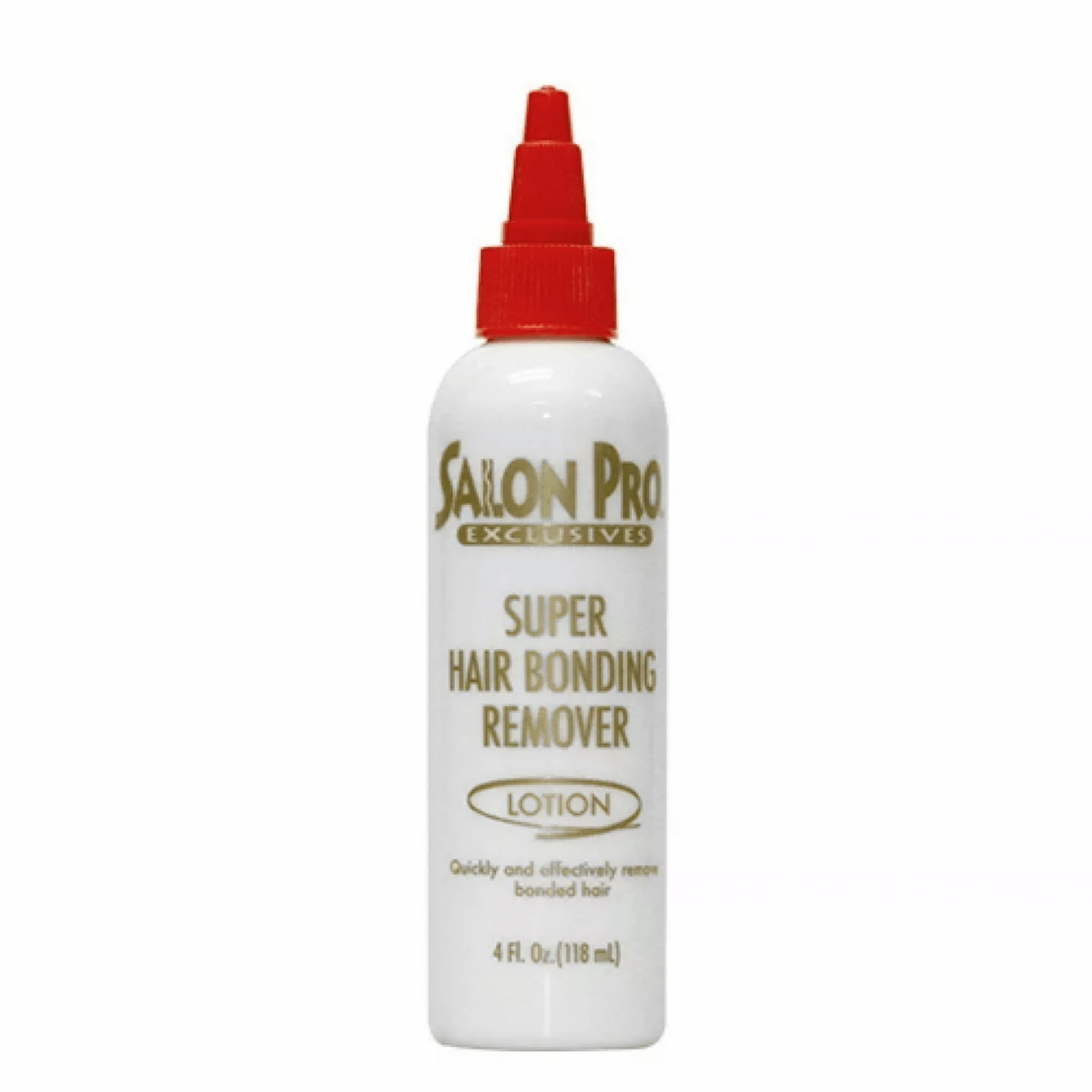
How To Get Bonding Glue Out of Hair After Extensions

Table Of Content Steps to Remove Nail Glue From Skin Other Ways to Remove Glue From Hair The Science of Hair Adhesives: Types and Properties...