Showing posts with label college. Show all posts

Thursday, August 27, 2020

Awasome Is Berkeley College Accredited References

University of California at Berkeley Great College Deals
University of California at Berkeley Great College Deals from www.greatcollegedeals.net

Are you considering attending Berkeley College but unsure if it is accredited? Accreditation is an important factor to consider when choosing a college as it ensures that the institution meets certain standards of quality and that your degree will be recognized by employers and other educational institutions. In this article, we will explore the question, "Is Berkeley College accredited?" and provide you with all the information you need to make an informed decision.

The Importance of Accreditation

Accreditation serves as a stamp of approval for colleges and universities, indicating that they have met specific criteria set by accrediting agencies. It ensures that the institution has a high standard of education, qualified faculty, and adequate resources to support student learning. Without accreditation, your degree may not be recognized by employers or other institutions, limiting your opportunities for further education and employment.

Is Berkeley College Accredited?

Yes, Berkeley College is accredited by the Middle States Commission on Higher Education (MSCHE), an accrediting agency recognized by the U.S. Department of Education. This accreditation applies to all of Berkeley College's campuses and online programs. Additionally, some of Berkeley College's programs have received specialized accreditation from industry-specific accrediting bodies, further validating the quality of education offered.

My Personal Experience with Berkeley College Accreditation

As a former student of Berkeley College, I can attest to the importance of accreditation in my educational journey. When I was researching colleges, one of my main concerns was ensuring that the institution I chose was accredited. Knowing that Berkeley College was accredited by the MSCHE gave me the confidence that I would receive a quality education and that my degree would be recognized by employers.

During my time at Berkeley College, I was impressed by the knowledgeable and dedicated faculty who provided me with the skills and knowledge I needed to succeed in my chosen field. The resources available to students, such as the career services department and internships, further enhanced my educational experience and prepared me for the workforce.

After graduating from Berkeley College, I was able to secure a job in my desired field and have since been able to advance my career. The recognition of Berkeley College's accreditation played a significant role in my job search and provided potential employers with the assurance of my qualifications.

What Does Accreditation Mean for Berkeley College Students?

Accreditation means that Berkeley College students can be confident in the quality of education they will receive. It ensures that the institution meets rigorous standards and undergoes regular evaluations to maintain accreditation. Students can also take advantage of transfer credit opportunities, allowing them to continue their education at other accredited institutions if they choose to pursue further studies.

Furthermore, accreditation provides students with access to financial aid programs, scholarships, and other educational opportunities. Employers also recognize accredited degrees, giving Berkeley College graduates an advantage in the job market.

The History and Myth of Berkeley College Accreditation

Founded in 1931, Berkeley College has a long history of providing quality education to students. Over the years, the institution has evolved and adapted to meet the changing needs of students and industries. Accreditation has been an integral part of Berkeley College's commitment to excellence, ensuring that students receive a valuable education that prepares them for success.

However, there have been some misconceptions and myths surrounding Berkeley College's accreditation status. It is important to note that Berkeley College is fully accredited by the MSCHE and holds the necessary approvals to operate legally and offer recognized degrees.

The Hidden Secrets of Berkeley College Accreditation

One of the hidden secrets of Berkeley College accreditation is the level of support and resources available to students. Accredited institutions often have robust student services departments that provide academic support, career guidance, and personal development opportunities. Berkeley College is no exception, offering a wide range of services to help students succeed both academically and professionally.

Another hidden secret is the network and connections that come with attending an accredited institution. Berkeley College has established relationships with employers, industry professionals, and alumni, providing students with valuable networking opportunities. These connections can lead to internships, job opportunities, and mentorship, further enhancing the educational experience.

Recommendations for Berkeley College Accreditation

If you are considering attending Berkeley College, I highly recommend taking advantage of the resources and support available to you. Attend informational sessions, visit campus facilities, and speak with current students and alumni to gain a better understanding of the college's accreditation and how it can benefit you.

Additionally, it is essential to research the specific program you are interested in to ensure it has received specialized accreditation, if applicable. This further validates the program's quality and may be important for certain careers or industries.

Exploring Accreditation and Related Keywords

Accreditation is an essential aspect of choosing a college, and understanding its importance can help prospective students make informed decisions. It is crucial to research the accreditation status of any institution you are considering and verify that it is recognized by reputable accrediting agencies.

In the case of Berkeley College, its accreditation by the MSCHE demonstrates its commitment to providing a quality education and preparing students for success in their chosen fields. Specialized accreditation for specific programs further enhances the college's reputation and ensures that students receive industry-relevant knowledge and skills.

Tips for Choosing an Accredited College

When choosing a college, consider the following tips to ensure you select an accredited institution:

  1. Research the accrediting agency. Make sure it is recognized by the U.S. Department of Education or the Council for Higher Education Accreditation.
  2. Visit the college's website and look for information about accreditation. Accredited colleges often prominently display their accreditation status.
  3. Check with the accrediting agency directly to verify the college's accreditation status.
  4. Consider specialized accreditation if applicable to your desired program or industry.

Conclusion of Berkeley College Accreditation

Accreditation is a vital consideration when choosing a college, and Berkeley College has met this requirement by being accredited by the MSCHE. This accreditation ensures that students receive a quality education and that their degrees are recognized by employers and other institutions. By attending an accredited college like Berkeley College, students can be confident in their educational investment and future career prospects.

Wednesday, August 26, 2020

Famous What College Is Jalen Hurts From 2023

Jalen Hurts named a Senior Bowl ‘Practice Player of the Week’ CBS 42
Jalen Hurts named a Senior Bowl ‘Practice Player of the Week’ CBS 42 from www.cbs42.com

Jalen Hurts, the talented football player, has gained a lot of attention in recent years. Fans and sports enthusiasts alike have been wondering about his college background. Where did he attend college and hone his skills? In this article, we will explore the answer to the question "what college is Jalen Hurts from?" and delve into his journey through college football.

When it comes to discussing Jalen Hurts' college experience, we can't ignore the pain points that he faced throughout his career. From the pressure of high expectations to the challenges of balancing academics and athletics, Hurts had to overcome numerous obstacles to reach his full potential.

Jalen Hurts attended the University of Alabama for his college career. He played for the Crimson Tide from 2016 to 2018, making a name for himself as a talented quarterback. Hurts helped lead the team to several victories and was known for his strong leadership skills and ability to perform under pressure.

In summary, Jalen Hurts attended the University of Alabama for his college career. During his time there, he faced various challenges and showcased his skills as a quarterback. Now, let's dive deeper into the details of what college is Jalen Hurts from.

What College is Jalen Hurts From and its Target

Jalen Hurts is from the University of Alabama, a prestigious college known for its successful football program. The University of Alabama has a long-standing tradition of producing top-tier football players and has a rich history in the sport. Hurts' time at Alabama was marked by significant achievements and memorable moments that have left a lasting impact on the college football world.

Now, let's explore the journey of Jalen Hurts at the University of Alabama, from his personal experience to the deeper understanding of his college career.

What College is Jalen Hurts From: A Personal Experience

As a student-athlete at the University of Alabama, Jalen Hurts faced both triumphs and challenges. He had to balance the demands of his rigorous academic schedule with the pressures of being a starting quarterback for a top-ranked football program. Despite the high expectations placed upon him, Hurts remained focused and dedicated to his craft.

During his college career, Hurts led the Crimson Tide to multiple victories, including a national championship appearance. His skills as a quarterback and his ability to make critical plays under pressure earned him respect and admiration from fans and teammates alike.

Off the field, Hurts also excelled academically. He demonstrated a commitment to his studies and maintained a high GPA throughout his time at the University of Alabama. This dedication to both academics and athletics showcases his discipline and determination.

Overall, Jalen Hurts' experience at the University of Alabama shaped him into the successful athlete and individual he is today. His time at Alabama provided him with invaluable lessons, unforgettable memories, and a strong foundation for his future endeavors.

What College is Jalen Hurts From: History and Myth

The University of Alabama has a storied football history, with numerous legends and iconic moments engrained in its legacy. The Crimson Tide football program has produced many successful players who have gone on to have remarkable professional careers. Jalen Hurts' time at Alabama adds to this rich history and further solidifies the university's reputation as a powerhouse in college football.

During his tenure at Alabama, Hurts contributed to the program's success and created a name for himself among the greats who have come before him. His performances on the field and leadership off the field have earned him a place in the university's football lore.

As the years pass, the myth of Jalen Hurts' time at the University of Alabama will continue to grow. His impact on the program and his legacy as a talented athlete will be remembered for years to come.

What College is Jalen Hurts From: Hidden Secrets

While there may not be any hidden secrets about Jalen Hurts' time at the University of Alabama, there are undoubtedly untold stories and behind-the-scenes moments that only those close to the program know. These hidden gems provide a deeper understanding of Hurts' college experience and shed light on the challenges and triumphs he faced.

From intense practices to locker room camaraderie, Jalen Hurts' time at Alabama was filled with moments that shaped him as an athlete and as a person. These hidden secrets contribute to the larger narrative of his college career and offer a glimpse into the dedication and sacrifice required to succeed at such a high level.

What College is Jalen Hurts From: Recommendations

Based on Jalen Hurts' success at the University of Alabama, it is clear that attending a college with a strong football program can provide numerous benefits. The intense competition, top-notch coaching staff, and exposure to a highly competitive environment can help athletes reach their full potential.

For aspiring football players, it is crucial to consider colleges with well-established football programs that have a track record of developing successful athletes. These programs can provide the necessary resources and support to help athletes excel both on and off the field.

What College is Jalen Hurts From: Recommendations and More

When choosing a college, it is essential to consider factors beyond the football program. Academics, campus culture, and personal fit are all important aspects to consider. While football is undoubtedly a significant part of Jalen Hurts' college experience, it is crucial to find a balance between athletics and academics to ensure a well-rounded college experience.

Ultimately, the choice of what college to attend is a personal decision that should be based on individual goals, aspirations, and values. By considering all aspects of the college experience, including the football program, academics, and campus culture, aspiring athletes can find the perfect fit for their college journey.

What College is Jalen Hurts From: Tips

For those who aspire to follow in Jalen Hurts' footsteps and play college football, here are some tips to consider:

  1. Start early: Begin preparing for college football as early as possible by participating in youth leagues and attending football camps.
  2. Focus on academics: Maintaining a strong academic record is crucial for college eligibility and future success.
  3. Stay dedicated: Football requires commitment, hard work, and perseverance. Stay dedicated to training and improving your skills.
  4. Research college programs: Explore different college football programs and consider factors such as coaching staff, facilities, and playing style.

By following these tips, aspiring football players can increase their chances of finding success at the college level.

What College is Jalen Hurts From: Fun Facts

Here are some fun facts about Jalen Hurts' college career:

  • Jalen Hurts was the SEC Offensive Player of the Year in 2016.
  • He led the Alabama Crimson Tide to back-to-back national championship appearances in 2016 and 2017.
  • Hurts transferred to the University of Oklahoma for his senior year and led the Sooners to the College Football Playoff.
  • He was named the Big 12 Newcomer of the Year in 2019.

These fun facts highlight Jalen Hurts' achievements and contributions to college football.

What College is Jalen Hurts From: Question and Answer

Q: What college did Jalen Hurts attend?

A: Jalen Hurts attended the University of Alabama.

Q: When did Jalen Hurts play for Alabama?

A: Jalen Hurts played for the Crimson Tide from 2016 to 2018.

Q: What position did Jalen Hurts play in college?

A: Jalen Hurts played as a quarterback in college.

Q: Did Jalen Hurts win any championships in college?

A: Yes, Jalen Hurts helped lead the University of Alabama to multiple championship appearances during his college career.

Conclusion of What College is Jalen Hurts From

In conclusion, Jalen Hurts attended the University of Alabama for his college career. His time at Alabama was marked by significant achievements, challenges, and personal growth. Hurts' success at the University of Alabama has solidified his place in college football history and serves as an inspiration to aspiring athletes.

Tuesday, August 25, 2020

The Best How Much Are College Books Ideas

Why do college textbooks cost so much? Quora
Why do college textbooks cost so much? Quora from www.quora.com

Are you a student preparing for college and wondering how much college books will cost you? Well, you're not alone. The cost of college textbooks can be a major concern for many students. But don't worry, in this article, we will explore the topic of how much are college books and provide you with some valuable information and tips to help you navigate this expense.

As a student, you may have experienced the financial burden of purchasing college textbooks. It can be frustrating to spend a large amount of money on books that you may only use for a semester. This expense can add up quickly and put a strain on your budget. Additionally, the high cost of textbooks can sometimes make it difficult for students to access the materials they need for their classes, which can negatively impact their academic success.

The cost of college books can vary depending on several factors. The price of a textbook can range from as low as $20 to over $200. The cost is influenced by factors such as the subject matter, edition, and whether it is a new or used book. In addition to the cost of individual books, students often need to purchase multiple textbooks for their classes, which can further increase the overall cost.

Personal Experience: The Cost of College Books

During my time in college, I was shocked by the prices of textbooks. I remember spending hundreds of dollars each semester on books alone. It was frustrating to see how much money I had to spend, especially considering that some of the books were hardly used. I quickly realized the need to find more affordable options and started exploring alternatives such as renting books or buying used copies. These options helped me save a significant amount of money and made the cost of college books more manageable.

When it comes to finding affordable college books, there are several options available. One option is to buy used books from previous students or online marketplaces. Used books are often significantly cheaper than new ones and can still provide you with the necessary information for your classes. Another option is to rent textbooks from websites or campus bookstores. Renting allows you to use the book for a specified period, saving you money compared to buying the book outright. Additionally, some colleges and universities have programs that allow students to borrow textbooks from the library or access digital versions of the books for free or at a reduced cost.

What Is the History and Myth of College Books?

The high cost of college books has been a topic of concern for many years. In the past, textbooks were primarily printed on paper and were expensive to produce. Publishers would often release new editions of textbooks frequently, making older editions obsolete and forcing students to purchase the latest version. This practice led to the perception that college books were overpriced and created a myth that publishers were intentionally inflating prices to maximize profits.

However, with advancements in technology, the landscape of college textbooks has started to change. Digital textbooks, also known as e-books, have become more popular in recent years. E-books are often cheaper than printed books and can be accessed on various devices such as laptops, tablets, and smartphones. This shift has provided students with more affordable options and has challenged the traditional model of expensive printed textbooks.

The Hidden Secret of College Books

One hidden secret about college books is that you don't always need to buy them. Many students successfully navigate their courses without purchasing every assigned textbook. Professors often provide alternative resources, such as lecture notes or online materials, that cover the same content as the assigned textbooks. Additionally, forming study groups with classmates can be helpful as you can share the cost of textbooks or rely on each other's notes. By exploring these alternatives, you can potentially save a significant amount of money on college books.

Recommendation for College Books

Based on my personal experience and research, I would recommend exploring all available options before purchasing college books. Consider renting or buying used books, as they can save you a substantial amount of money. Utilize resources provided by your college or university, such as library books or digital versions. Additionally, communicate with your professors to determine if all assigned textbooks are necessary or if there are alternative resources available.

Understanding the Cost of College Books

To understand the cost of college books better, it's essential to consider the factors that contribute to their high prices. One factor is the production and distribution costs associated with printing and shipping physical books. Additionally, the limited market for college textbooks allows publishers to set higher prices. The constant release of new editions also drives up costs as students are often required to purchase the latest version, even if the changes are minimal.

Tips for Saving Money on College Books

Here are some tips to help you save money on college books:

  1. Consider renting or buying used books.
  2. Explore online marketplaces for discounted prices.
  3. Utilize resources provided by your college or university, such as library books or digital versions.
  4. Form study groups to share the cost of textbooks or rely on each other's notes.

Conclusion of College Books

In conclusion, the cost of college books can be a significant expense for students. However, by exploring alternative options such as buying used books or renting, utilizing resources provided by your college or university, and communicating with your professors, you can save money and make the cost of college books more manageable. Remember to always consider your budget and prioritize your academic needs when making purchasing decisions for college books.

Review Of How Does Early College Work Ideas

How Early College High School Programs Work Prep Expert
How Early College High School Programs Work Prep Expert from prepexpert.com

Are you curious about how early college works? If so, you're not alone. Many students and parents are interested in exploring this educational option that allows high school students to earn college credits. In this article, we'll dive into the details of how early college works and why it can be a beneficial choice for students.

When it comes to traditional high school, many students find themselves feeling unchallenged or bored with the curriculum. They may be eager to explore more advanced subjects or want to get a head start on their college education. This is where early college comes in. It offers students the opportunity to take college-level courses while still in high school, giving them a taste of the college experience and allowing them to earn credits that can be transferred to their future college or university.

Early college programs vary from school to school, but generally, students can choose from a range of college courses that are taught on the high school campus or at a nearby college. These courses are typically taught by qualified instructors and cover a wide range of subjects, including English, math, science, and humanities. Students are often given the flexibility to choose which courses they want to take based on their interests and academic goals.

In summary, early college is an educational option that allows high school students to take college-level courses and earn credits. It provides a challenging and enriching experience for students who want to get a head start on their college education. By participating in early college, students can explore their academic interests, gain valuable college credits, and better prepare themselves for the transition to higher education.

How Does Early College Work?

Early college programs offer high school students the opportunity to take college-level courses and earn college credits. These programs can be offered on the high school campus or at a nearby college or university. Students typically have the flexibility to choose from a variety of courses in subjects such as English, math, science, and humanities. The courses are taught by qualified instructors and follow a curriculum similar to what would be taught in a college setting.

One of the main benefits of early college is that it allows students to get a head start on their college education. By taking college-level courses while still in high school, students can earn credits that can be transferred to their future college or university. This can help them save time and money on their college education and give them a competitive edge when applying to colleges and universities.

In addition to earning college credits, early college programs also provide students with a taste of the college experience. Students have the opportunity to interact with college professors, navigate a college campus, and experience the academic rigor of college-level courses. This can help them better prepare for the transition from high school to college and give them a clearer understanding of what to expect in a higher education setting.

Overall, early college programs offer a unique and valuable educational experience for high school students. They provide the opportunity to explore academic interests, earn college credits, and better prepare for the challenges of higher education. If you're a high school student or parent considering early college, it's worth exploring the programs available in your area and considering the benefits it can offer.

The History and Myth of Early College

Early college programs have been around for several decades, but they have gained popularity in recent years as more students and parents recognize the benefits they offer. The concept of early college can be traced back to the early 20th century when some universities began offering courses to high school students. These early programs laid the foundation for the development of modern early college programs.

One common myth about early college is that it is only for academically gifted students. While it's true that early college programs often attract high-achieving students, they are not limited to a select group. Many early college programs are open to all students, regardless of their academic abilities. These programs recognize that students have different strengths and interests, and they strive to provide a challenging and enriching educational experience for all participants.

Another myth surrounding early college is that it is too difficult or overwhelming for high school students. While early college courses can be rigorous, they are designed to be manageable for motivated and capable students. The instructors are experienced in teaching high school students and provide the necessary support and guidance to help them succeed. Early college programs also offer resources such as tutoring and academic advising to ensure that students have the necessary support to excel in their courses.

The Hidden Secret of Early College

One of the hidden secrets of early college is the opportunity for students to explore their academic interests and passions. Traditional high school curriculums often have limited options for specialized or advanced courses. Early college programs, on the other hand, offer a wide range of courses in various subjects, allowing students to delve deeper into areas they are passionate about.

By participating in early college, students can take courses that align with their interests and career goals. For example, a student interested in engineering can take college-level math and science courses to gain a solid foundation in these subjects. This not only helps them develop their skills and knowledge in their chosen field but also allows them to make more informed decisions about their future college major and career path.

Another hidden secret of early college is the opportunity for students to develop important skills and qualities that will benefit them in college and beyond. Early college courses often require students to think critically, solve problems, and manage their time effectively. These skills are essential for success in college and the workplace, and early college provides a supportive environment for students to develop and practice them.

Recommendations for Early College

If you're considering early college, here are a few recommendations to help you make the most of your experience:

  1. Research the early college programs available in your area and choose one that aligns with your interests and academic goals.
  2. Talk to current or former early college students to get their perspective on the program and hear about their experiences.
  3. Meet with your high school counselor to discuss your plans for early college and ensure that you are meeting all the necessary requirements.
  4. Take advantage of the resources and support services offered by the early college program, such as tutoring, academic advising, and career counseling.
  5. Stay organized and manage your time effectively to balance your early college courses with your other high school responsibilities.
  6. Take advantage of any opportunities for extracurricular activities or internships offered by the early college program to further enhance your learning and personal development.
  7. Stay motivated and committed to your studies. Early college can be challenging at times, but the rewards are worth it.

Understanding the Benefits of Early College

Early college offers numerous benefits for high school students. By participating in early college, students have the opportunity to earn college credits, explore their academic interests, develop important skills, and gain a competitive edge in the college admissions process. Early college programs provide a supportive and enriching educational environment that helps students succeed academically and prepares them for the challenges of higher education.

Tips for Success in Early College

To make the most of your early college experience, here are some tips for success:

  1. Stay organized: Keep track of your assignments, due dates, and schedule to stay on top of your coursework.
  2. Manage your time effectively: Prioritize your tasks and create a study schedule that allows you to balance your early college courses with your other commitments.
  3. Seek help when needed: Don't hesitate to reach out to your instructors or peers for assistance if you're struggling with a concept or assignment.
  4. Take advantage of resources: Utilize the resources and support services offered by the early college program, such as tutoring, academic advising, and study groups.
  5. Stay motivated: Remember why you chose to participate in early college and stay focused on your goals. Celebrate your achievements along the way to stay motivated.
  6. Stay connected: Build relationships with your classmates and instructors to create a supportive network that can help you succeed.
  7. Take care of yourself: Prioritize self-care by getting enough sleep, eating well, and managing stress. Taking care of your physical and mental health is essential for academic success.

Questions and Answers

Q: Can I still participate in extracurricular activities and sports while in early college?

A: Yes, many early college programs allow students to participate in extracurricular activities and sports at their high school. However, it's important to manage your time effectively to balance your commitments.

Q: Will early college courses transfer to all colleges and universities?

A: In most cases, yes. Early college courses are typically designed to be transferable to a wide range of colleges and universities. However, it's always a good idea to check with the specific institution you plan to attend to ensure that the credits will transfer.

Q: Will participating in early college help me get into a competitive college?

A: Participating in early college can certainly enhance your college applications. Admissions officers often look favorably upon students who have challenged themselves academically and taken college-level courses. However, it's important to note that college admissions decisions are based on a variety of factors, so early college is not a guarantee of admission to a competitive college.

Q: Is early college only for students who want to pursue a four-year college degree?

A

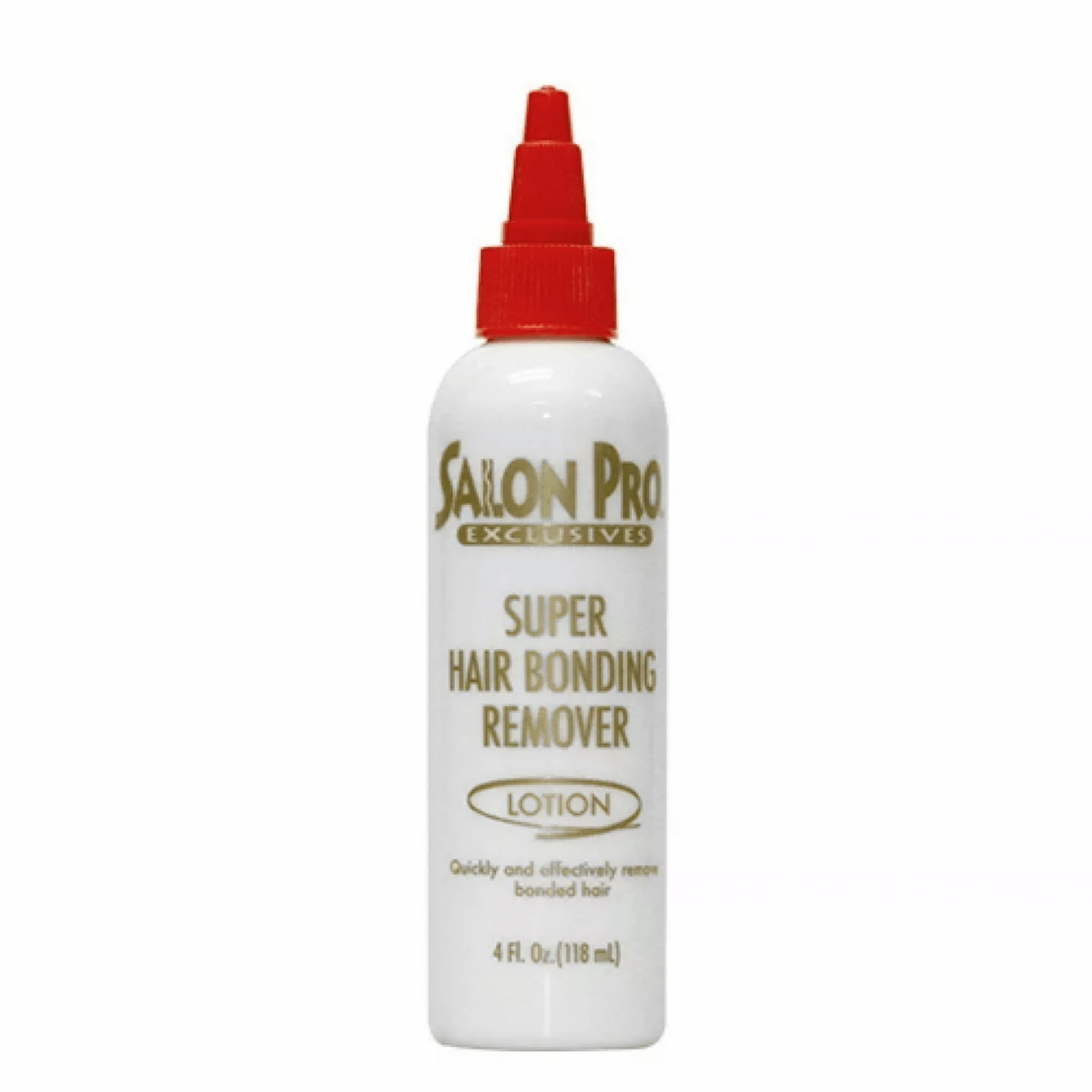
How To Get Bonding Glue Out of Hair After Extensions

Table Of Content Steps to Remove Nail Glue From Skin Other Ways to Remove Glue From Hair The Science of Hair Adhesives: Types and Properties...